What You Need to Know About Smoking
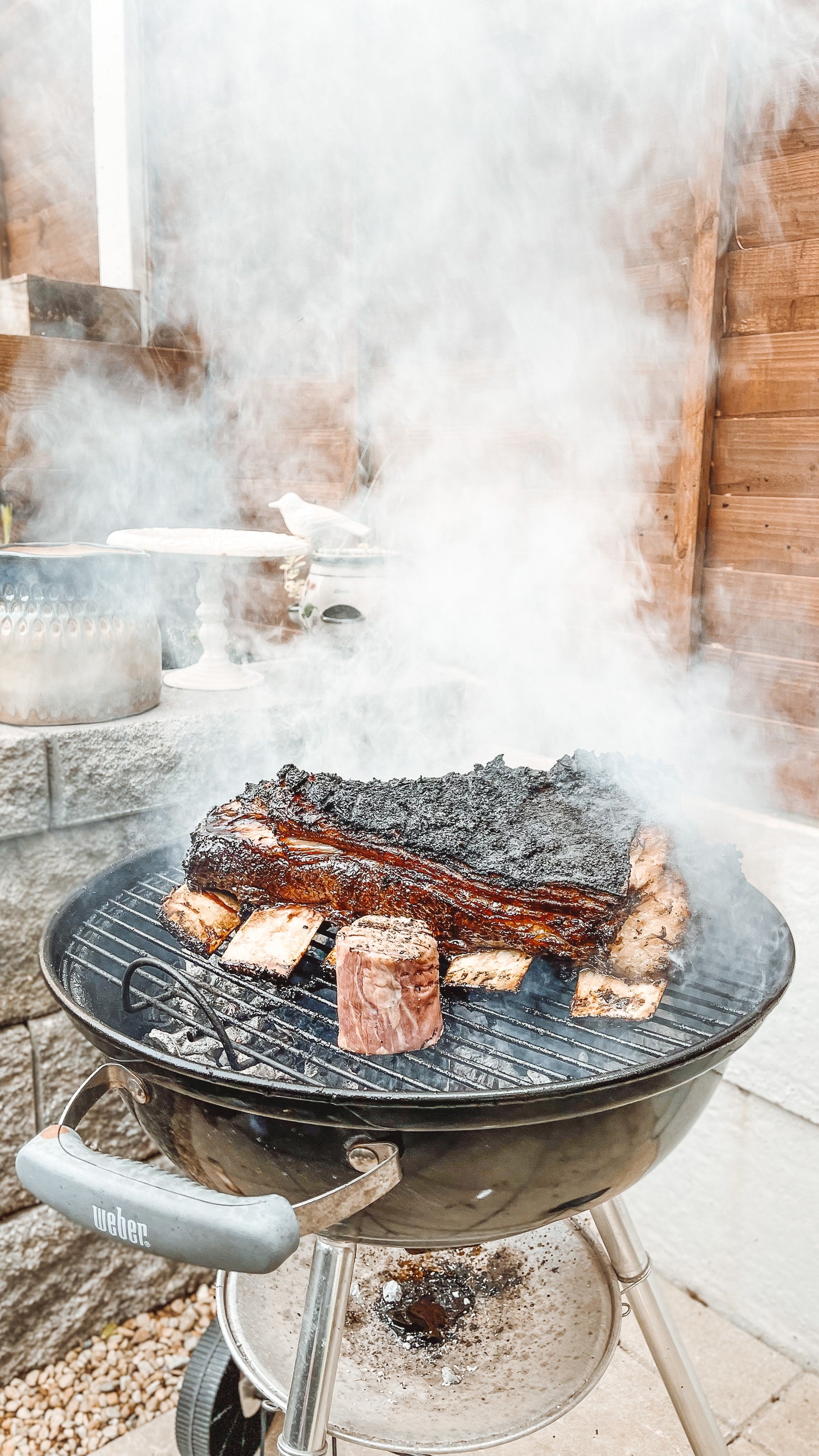
The difference between hot and cold smoking smokers is largely a matter of distance between the smoke chamber and the fire—the greater the distance, the cooler the smoke. Proper ventilation is important since dirty smoke trapped in a chamber gives food a bitter taste. However, with too much ventilation, the smoke dissipates. Your best guide is the temperature inside the chamber. Set up a thermometer that you can read from outside, then open or close the vents as needed.
Cold smoking
Some meats are cold smoked, which adds a delicious smoky flavor to the meat. The temperature inside the smoker should be 30°C (86°F). Place the heat source about 3 m (10 ft) from the smoke chamber on the side from which the dominant airflows come. The top of the shaft should be about 30 cm (12 in) lower than the bottom of the chamber, with a stovepipe or tile tunnel in between.
Hot smoking
Hot smoking requires maintaining a smoker at temperatures of 85°C to 100°C (185°F to 212°F), so the chamber must be insulated. Smoke is produced inside or directly below the chamber. It is easier to maintain a proper temperature with an electric burner. Slowly raise the internal temperature of the meat to at least 65°C (149°F). Check for doneness by piercing the center of the meat with a meat thermometer; for example, an 8 kg (18 lb) ham will take about 10 hours to cook.
Seasoning
The flavor imparted by smoke depends on the type of wood used. Softwoods should not be used, as the resins will alter the flavor of smoked foods. Most hardwoods are suitable, particularly tea tree, acacia, and eucalyptus. Use only untreated wood and avoid the branches and leaves of toxic shrubs such as oleander.
May 02, 2022
—
anthony cohn